The first hardware for MAQCS has arrived at the Leibniz Supercomputing Centre (LRZ), bringing planqc’s 1,000-qubit neutral-atom quantum computer one step closer to deployment. With the project progressing on schedule, the system is set to go live next year.
planqc has reached every technical milestone of the MAQCS project on schedule so far, including a 1,000-qubit demonstrator at Technology Readiness Level (TRL) 5. Now, the project is moving from demonstration towards deployment.
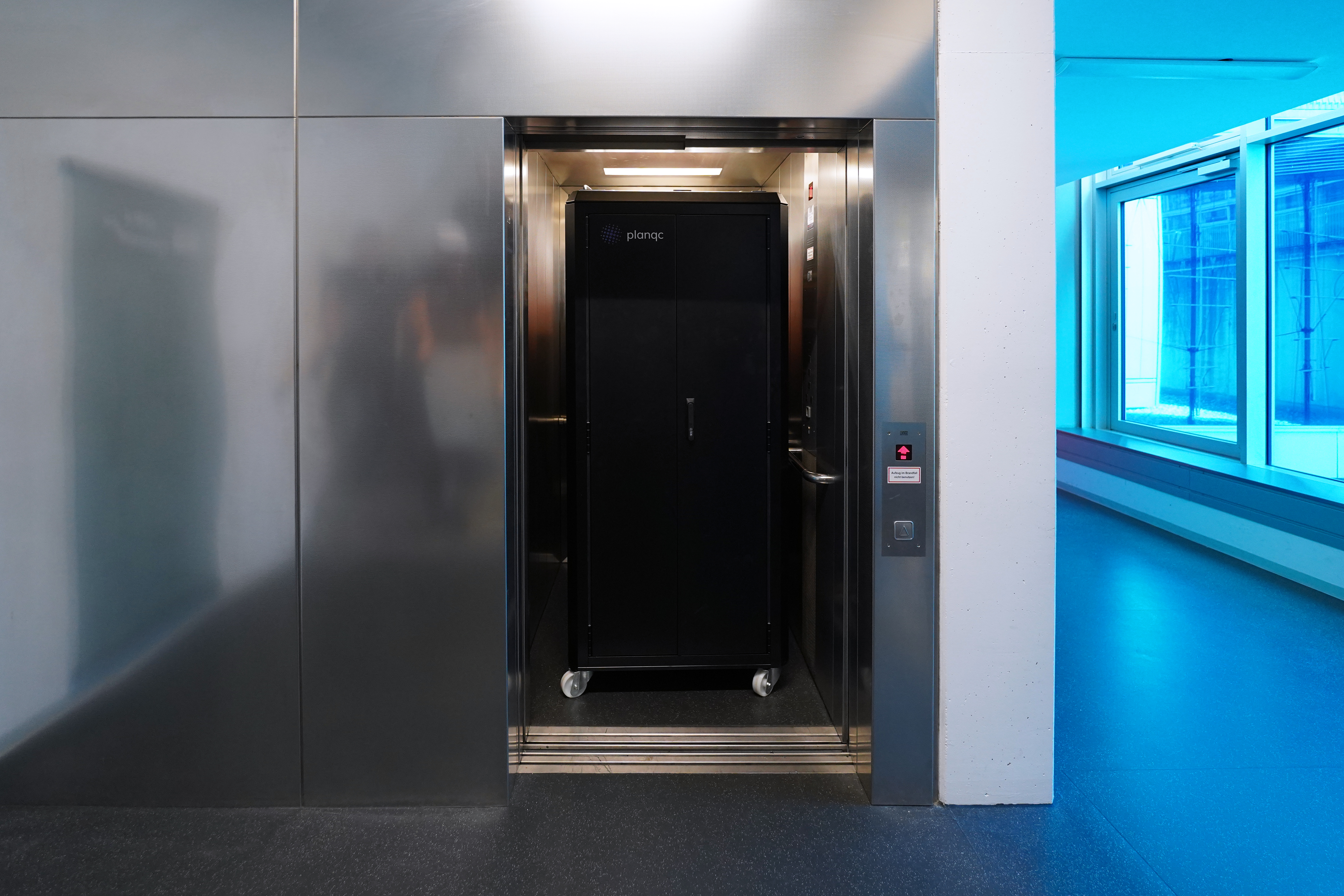
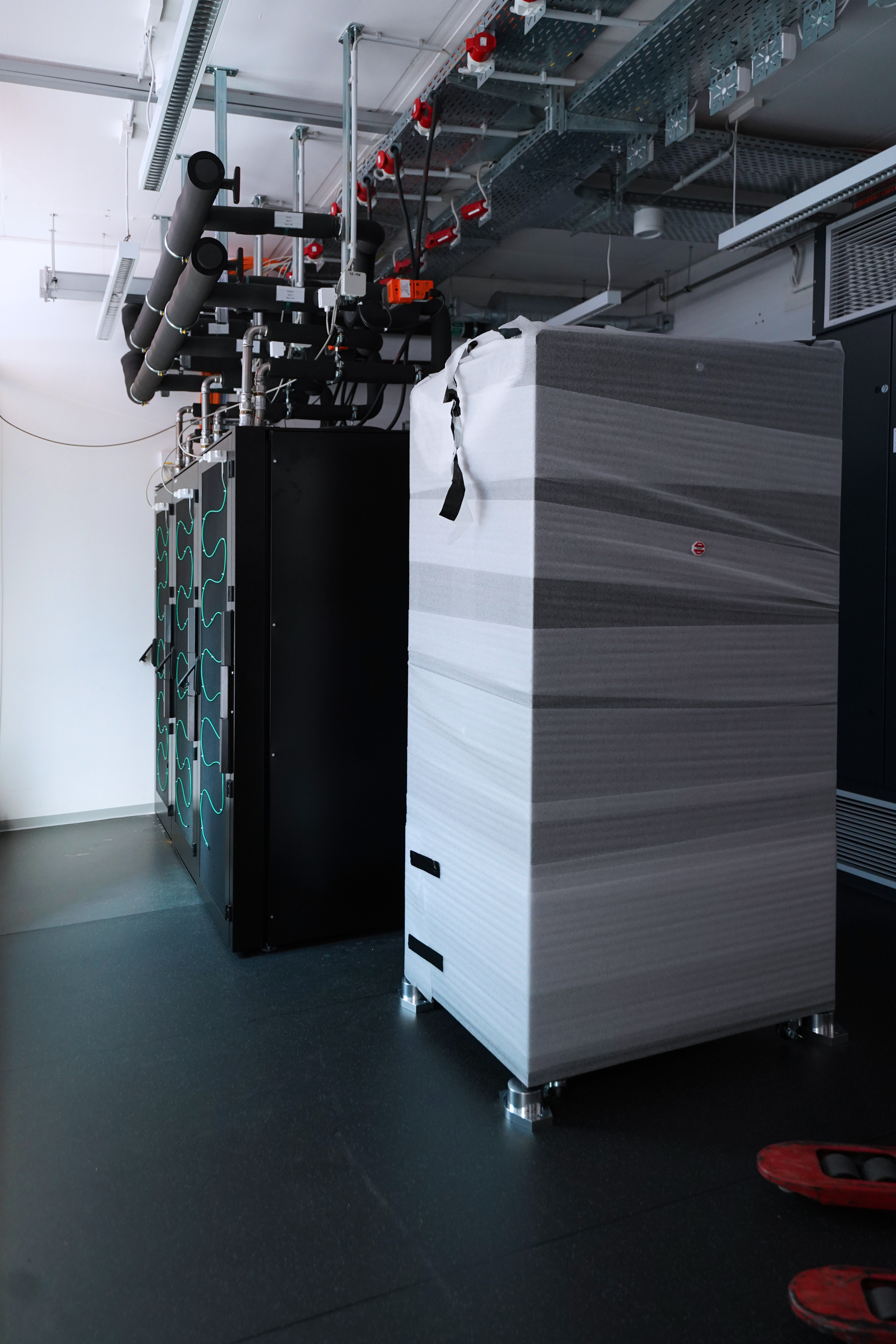
The first shipment to LRZ comprised around 800 kilograms of equipment, including a custom-built server cabinet, laser hardware, and a computing rack. All components are now tested at LRZ’s Quantum Integration Centre (QIC) and connected to the centre’s infrastructure.
MAQCS – short for “Multicore Atomic Quantum Computing System” – is funded with almost €20 million by the German Federal Ministry of Research, Technology and Space (BMFTR). Together, planqc, LRZ and the Max Planck Institute of Quantum Optics (MPQ) are building a universally programmable quantum computer with 1,000 neutral-atom qubits. By the end of 2027, the system is planned to operate as a quantum co-processor within LRZ’s high-performance computing infrastructure.
Protecting the heart of the system
Neutral-atom quantum computers do not require the complex cryogenic infrastructure used by platforms based on superconducting qubits. But they, too, require engineering finesse.
At the heart of planqc’s architecture is a highly sophisticated laser system that needs a carefully controlled environment. Vibrations, humidity, acoustic noise, and other external influences can affect its operation. To protect the laser hardware, planqc has developed a dedicated server cabinet that isolates it from these disturbances while providing the water cooling required for stable operation.
The computing rack has also arrived at LRZ. It will initially be used to control and monitor the laser systems and will later form part of the control infrastructure for the complete quantum computer.
From demonstrator to everyday operation
Once integrated, the quantum computer will be available for hybrid quantum-classical workflows. Rather than replacing conventional high-performance computing, the two systems will work together: LRZ’s supercomputers will handle the classical parts of a workload, while planqc’s quantum processor can be used for computationally demanding subproblems where quantum computing has the potential to add value.
With the first hardware now installed in the QIC cleanroom and connected to LRZ’s infrastructure, testing can begin on site. It is an important step towards commissioning the complete 1,000-qubit system next year.
The next stage of MAQCS is focused on reaching TRL 6–7: turning a proven 1,000-qubit demonstrator into a system that can operate reliably as part of LRZ’s day-to-day computing environment.


